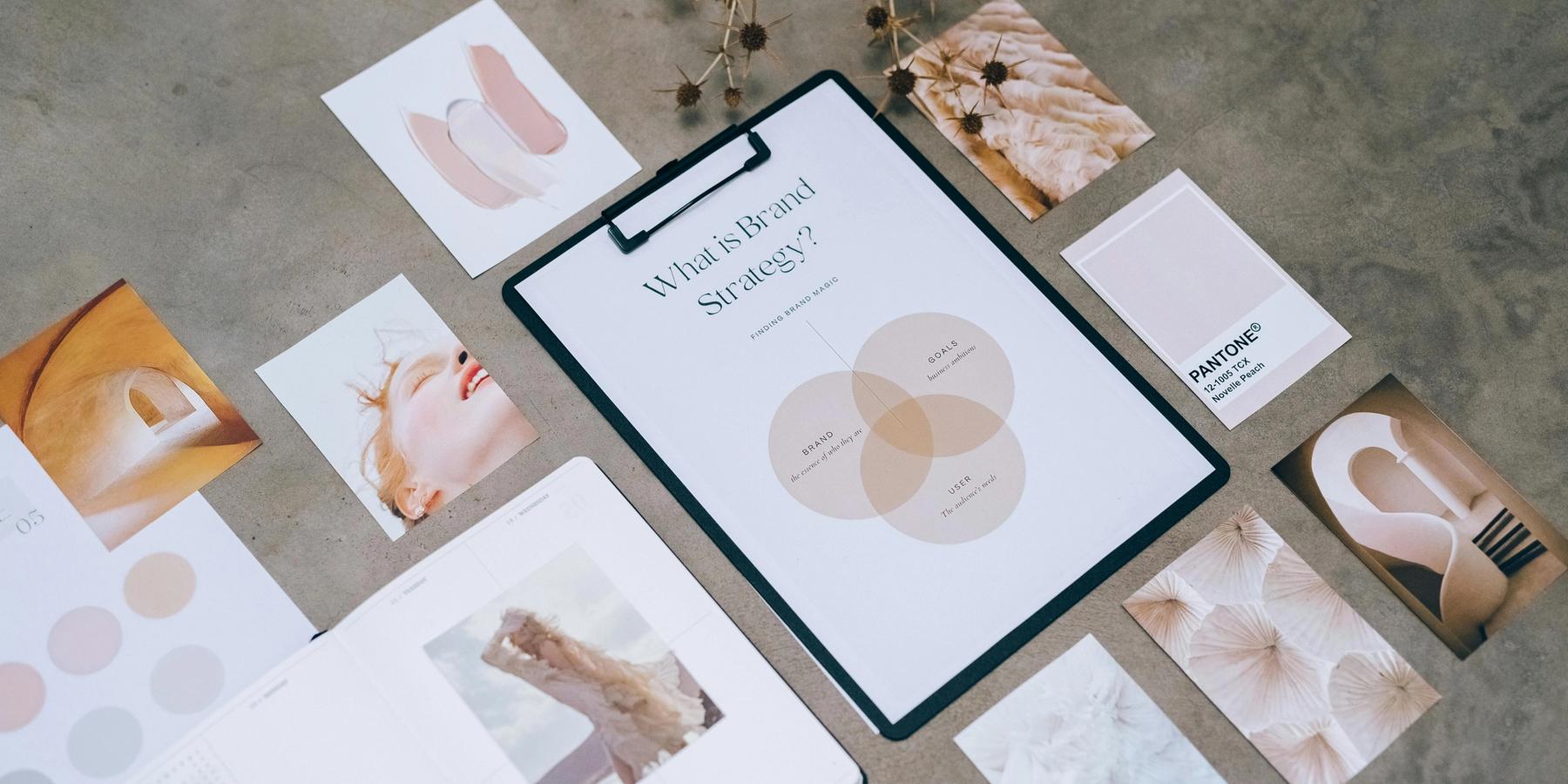
Nike's 'Swoosh' logo was designed by a graphic design student for $35. Apple has redesigned their logo six times. Neither of those logos is the reason billions of people trust those companies. So what is?
Most startups make the same mistake. They spend weeks agonising over logo concepts, picking the perfect shade of blue, and debating whether their font says 'modern' or 'trustworthy'. Then they launch — and wonder why nobody seems to feel anything about their brand.
Here's the hard truth: your logo is the last 5% of your brand. The other 95% is what most people never think about. This guide is about that 95%.
What a Brand Actually Is
A brand is not a logo, a colour palette, or a tagline. A brand is the feeling someone gets when they think about your company. It's the impression that forms before they've said a word to you — from your Instagram posts, your email tone, your website copy, your customer service replies.
Jeff Bezos put it well: 'Your brand is what people say about you when you're not in the room.' You don't control that entirely — but you influence it enormously through the experience you create at every touchpoint.
The 5 Real Building Blocks of Brand Identity
1. Brand Positioning — Who You Are and Who You're For
Before you design anything, you need to answer: what do you do, who do you do it for, and why should they choose you over every alternative? This is your positioning statement. It guides every decision that follows.
A strong position is specific. 'We build websites' is not a position. 'We build conversion-focused websites for ambitious service businesses in South Asia' is. The more specific you are, the more magnetic you become to the right people.
2. Brand Voice — How You Sound
Every word your company writes is part of your brand. Your social media captions. Your error messages. Your invoice emails. Your 404 page. Do they all sound like they come from the same company? Do they sound like a human, or a corporate robot?
Brand voice is one of the most powerful differentiation tools available — and one of the most neglected. Mailchimp built an entire brand on being funny and human in an industry full of dry, technical jargon. It worked spectacularly.
Define your voice in three to five adjectives: friendly but professional, bold but not arrogant, expert but approachable. Then check every piece of content against those words.
3. Visual Identity — More Than Just a Logo
Yes, your logo matters. But your visual identity is a system — logo, typefaces, colour palette, photography style, illustration style, spacing, layout principles. When all these elements work together consistently, something powerful happens: people start recognising your brand before they even read your name.
Think about the warm red-and-yellow of a fast food giant, or the clean white-and-grey of a premium tech brand. You knew which companies those were without me naming them. That's what a consistent visual identity does over time.
4. Brand Values — What You Stand For
Consumers — especially younger ones — increasingly choose brands that align with their own values. Sustainability, transparency, community, innovation, inclusivity. These aren't just marketing buzzwords; they're filters people use to decide who gets their money and loyalty.
Your values need to be genuine and lived, not just listed on a 'Mission' page nobody reads. If you say you value transparency, do your pricing and processes reflect that? If you claim to be community-focused, how does that show up in your actions?
5. Consistency — The Secret Multiplier
This is the one that most startups underestimate. A mediocre brand applied consistently will always outperform a brilliant brand applied inconsistently. Consistency builds recognition. Recognition builds trust. Trust builds revenue.
Every time someone interacts with your brand — a social post, an invoice, a packaging label, a website page — it's either reinforcing or eroding the impression you're trying to create. There's no neutral.
The Most Common Branding Mistakes Startups Make
- Designing the logo before defining the strategy. The logo should come last, not first.
- Changing your visual identity every year because you got bored of it. Your customers haven't. Consistency takes time.
- Copying competitors. If your brand looks like everyone else in your industry, you become invisible.
- Treating branding as a one-time project. Brand is a living thing. It evolves — but intentionally, not randomly.
- Underestimating the power of brand voice. How you say things is as important as what you say.
Where to Start
If you're building a brand from scratch — or rebuilding one that isn't working — start with positioning. Get crystal clear on who you are, who you serve, and what makes you different. Everything else flows from that foundation.
Then work on voice. Write down how your brand sounds. Create a simple one-page brand voice guide that anyone on your team can follow.
Then build the visual identity as the expression of all of that — not as the starting point.
Your Logo Is a Symbol of Your Brand. Build the Brand First.
The companies with the most recognisable logos in the world didn't get there because they had great logos. They got there because they built great brands — consistent, clear, human, and valuable — and their logo became the shorthand for all of that.
At Mindframe, we approach branding as a system, not a single deliverable. We start with strategy, build through identity, and deliver something that actually means something to the people you're trying to reach.
Thinking about building or refreshing your brand? The Mindframe design team would love to talk. Reach out and let's build something worth remembering.